From AI and cloud costs to GPU compilers, I make engineering worth every euro.
01Day job
Engineering effectiveness
I lead Engineering Effectiveness at AutoScout24 & Trader — a group-wide function with one mission: make the engineering investment of 800+ engineers transparent, optimised and aligned with business strategy.
At its heart is cost-efficient AI and cloud. I run FinOps for AWS and AI — cost tracking, budget visibility, optimisation — and own engineering CAPEX: how engineering effort and AI usage are attributed and capitalised. Efficient AI starts with how teams use it, so I help shape the tools and models they build on. Engineering metrics close the loop and show what the investment delivers.
And it runs AI-native. Agents I built already deliver spend insights and Jira planning; next comes automation that classifies work for CAPEX and links every AI token to the ticket it served. Reporting runs itself, and engineers spend their time on engineering.
AI teammates, empowering teams
#teammatesnex · sprint check-in
Nex APP09:30
👋 TEC Sprint 120 check-in: 5 items are at risk this sprint — worth a quick unblocking sweep today.
// replayed from the screenshots in the write-up — redactions and all
Two AI teammates carry effectiveness to 800+ engineers. I designed and built both; they run in production, and my function owns them. Nex is the scrum master: sprint check-ins, at-risk tickets and ownership answers across three Jira sites. Fyn is the FinOps partner: weekly coding-agent spend for every team, AWS savings opportunities, and credit-limit requests with the manager in the loop.
They join the conversation on their own, at the moment it helps. Around the model sits the real engineering: four layers of memory with provenance, routing that picks the most efficient model for each job, human approval for every write, and a complete audit trail — about 170 tools on Strands Agents and Amazon Bedrock.
2020 — 2026The road here
Platform engineering
For six years I built the platform AutoScout24 runs on — as engineering manager, then as Head of Platform Engineering for the whole group: four teams on two continents, a multi-million-euro cloud and AI budget, and the technical strategy 800+ engineers build on.
My teams created the paved paths every product team ships on: compute, incident management, observability, infrastructure as code, AI tooling and more. We consolidated businesses on a single cloud provider, AWS — off on-prem data centres and Azure — and moved the whole group onto one incident process, cutting high-severity incidents by 54%.
Running the machine is what qualifies me to measure it.
02Compiler design
Miri, gpu-first
By night I’m building Miri — a GPU-first programming language built for agentic engineering: a world where most production code is generated, repaired and shipped by agents, and the compiler guarantees what matters most. You write ordinary code; Miri runs it across thousands of GPU cores at once.




// live: each tile is a miri program, compiled to wgsl and running on your gpu right now.
03Space quest
The sky, indexed
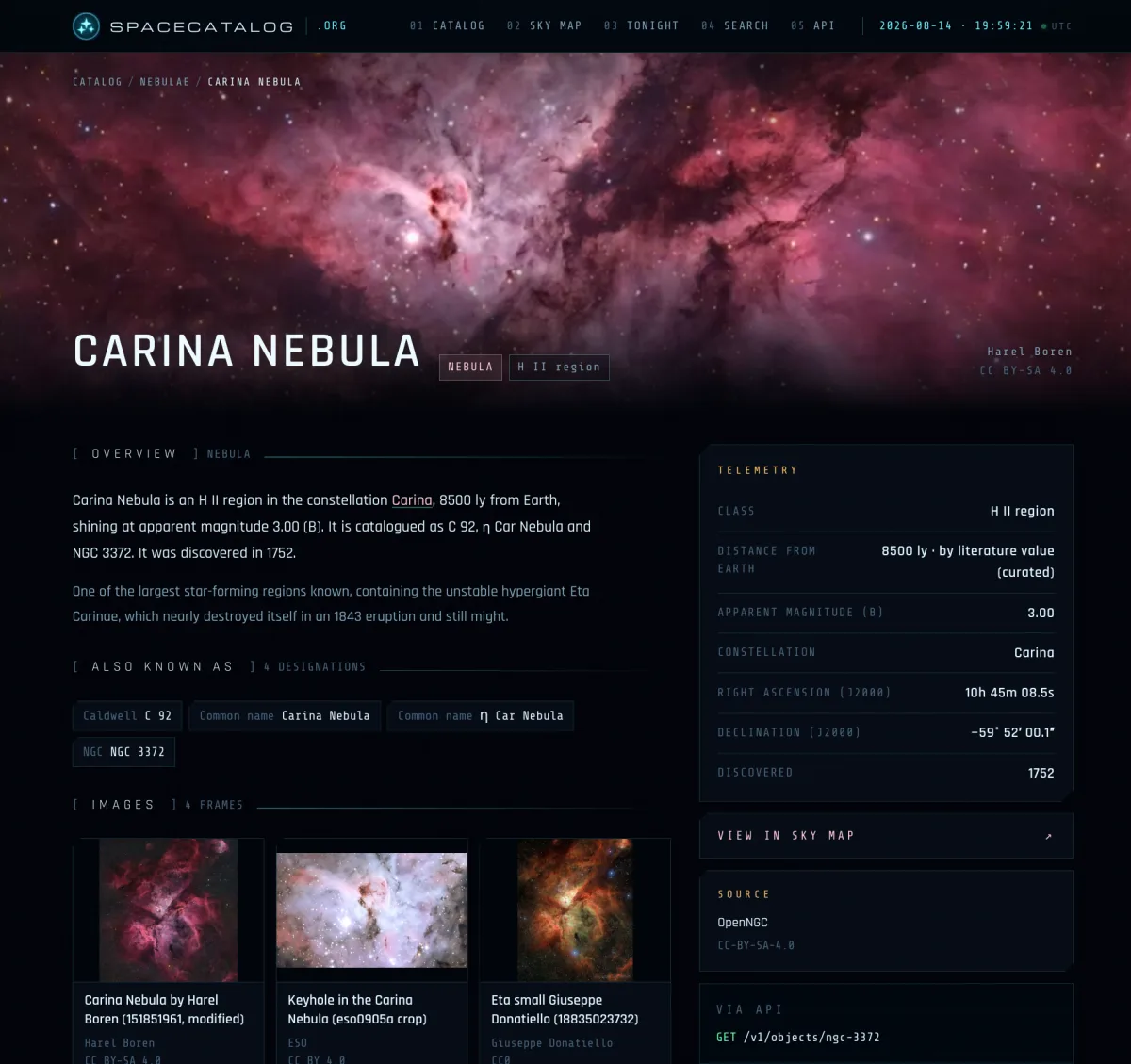
SpaceCatalog.org is the open catalog of everything above — stars, planets, galaxies and black holes: searchable, visualized, and built on an open API.
Sixty million sky sources from sixteen catalogs, merged into one index. I’ve been obsessed with astronomy since I was four — craters on the moon, and whether anyone had hidden Kinder Surprise toys inside them. SpaceCatalog is how I reconnected with that. The first of more space projects to come.
04Open source
Niobe, on the loop
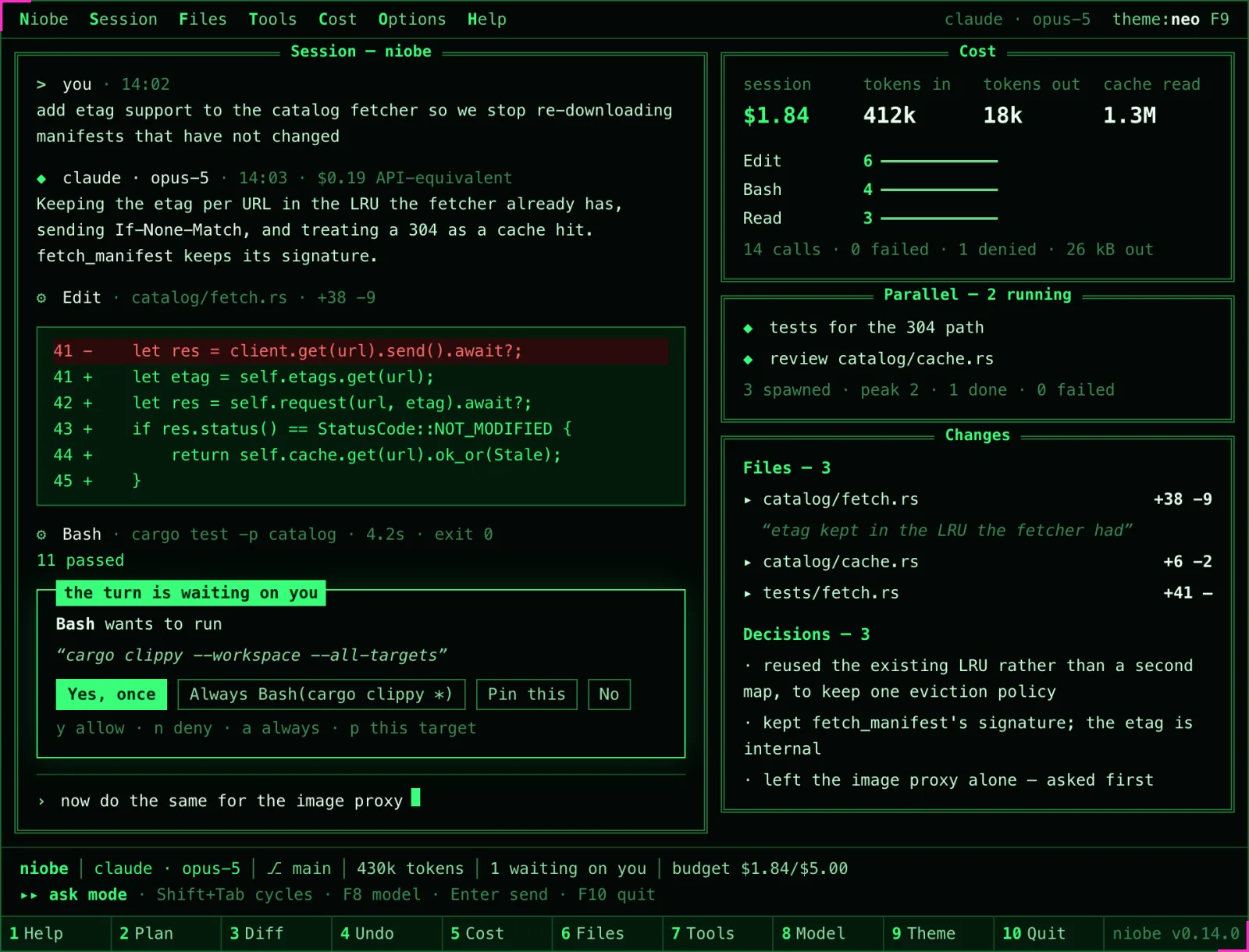
Niobe is my own open-source coding agent for the terminal: AI coding at full speed, with full awareness.
It shows the work as it happens — every action the agent takes, every decision and its reason, every file it touches, every parallel task, and the running bill. You stay in command of the outcome while the agent keeps its pace.
A personal project, built on my own time: from first commit to public release in under three weeks.
05For kids
Homework, with a beagle
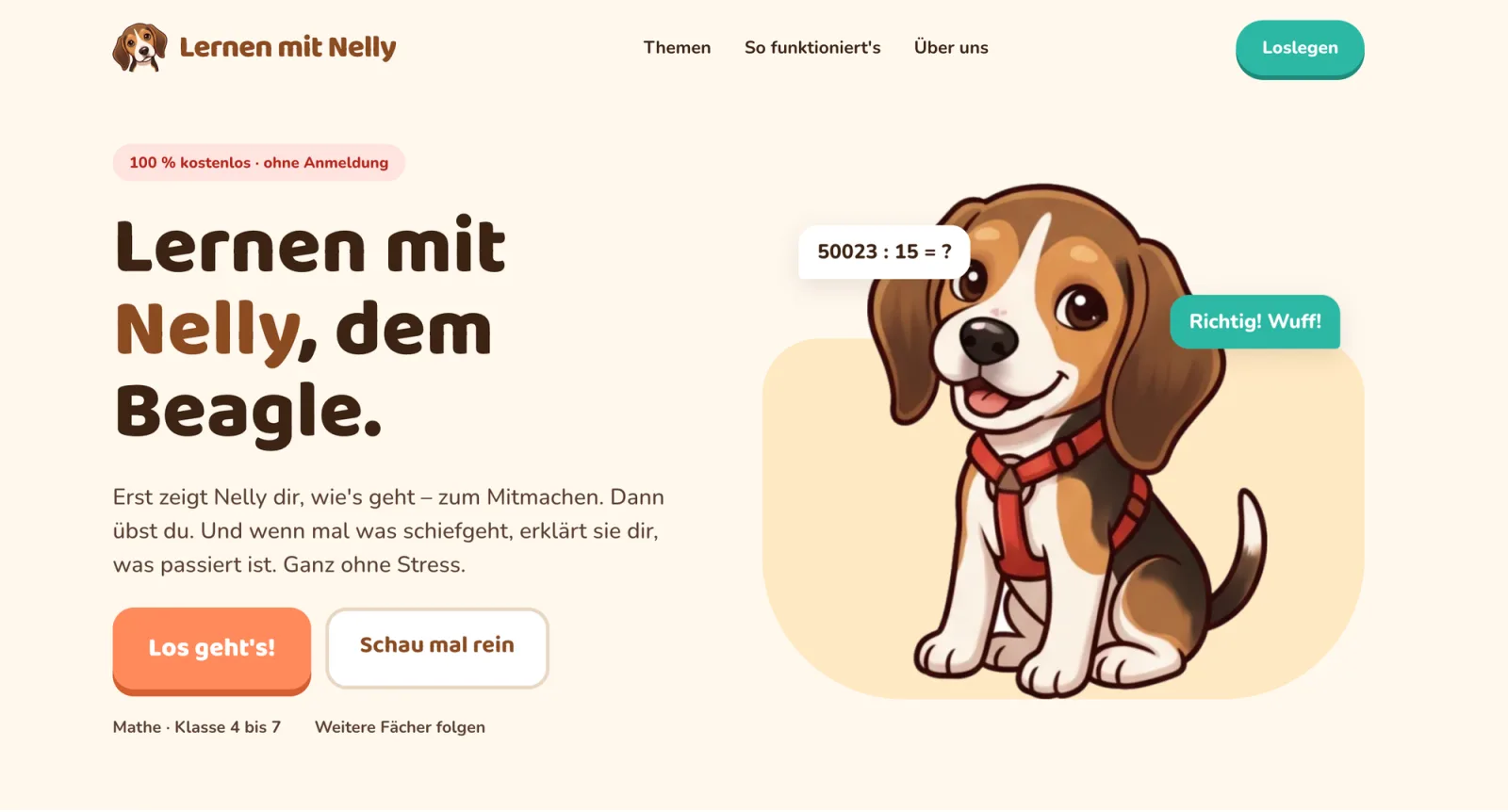
Lernen mit Nelly is a maths tutor for schoolchildren in grades 4 to 7, taught by Nelly, our family’s beagle puppy.
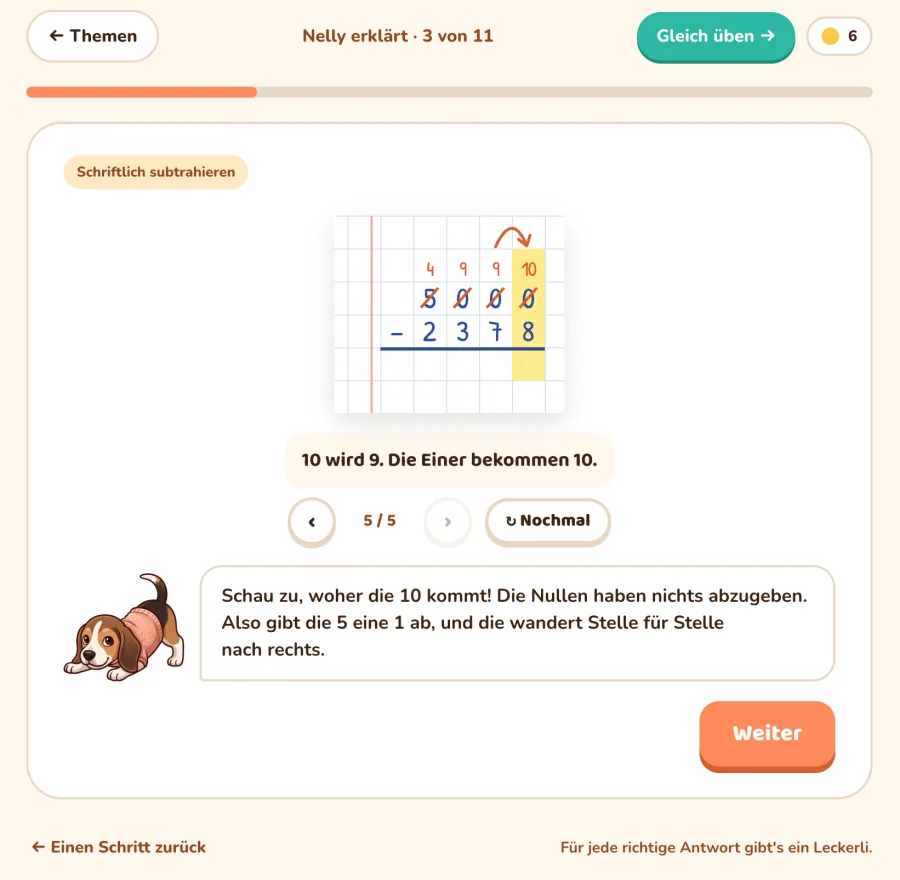
Nelly works through a worked example with the child, step by step, the way it’s done on paper — then hands over the pencil. When an answer goes wrong, she explains exactly what happened and lets them try again. Four levels per topic, a mixed mode that ramps up every round, and drills for the classic traps like zeros in subtraction. Parents and teachers bundle topics into a practice pack and share it with a single link.
It began at our kitchen table, practising maths with my daughter. Today it’s free for every family and classroom, ad-free, with progress kept on the child’s own device.
06Recent writing
From the blog
 Remote Engineering Teams: What Works and What Still Breaks Leadership → 002
 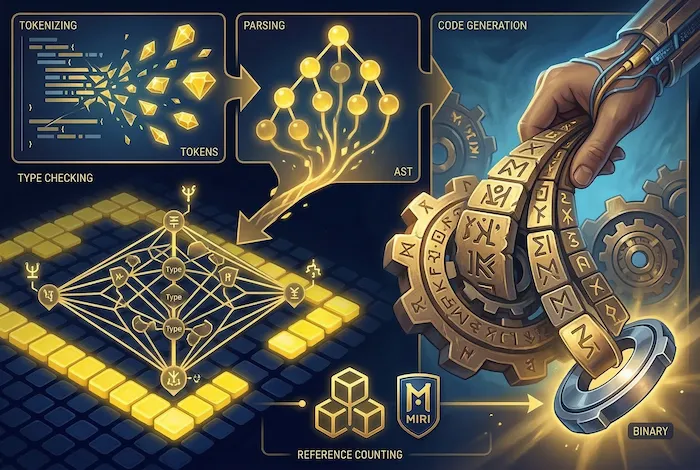 How Miri’s Compiler Works: From Source Code to Native Binary Miri → 003
  Do We Need Unit Tests in the AI Era? Why They Matter More Software Engineering → 004
 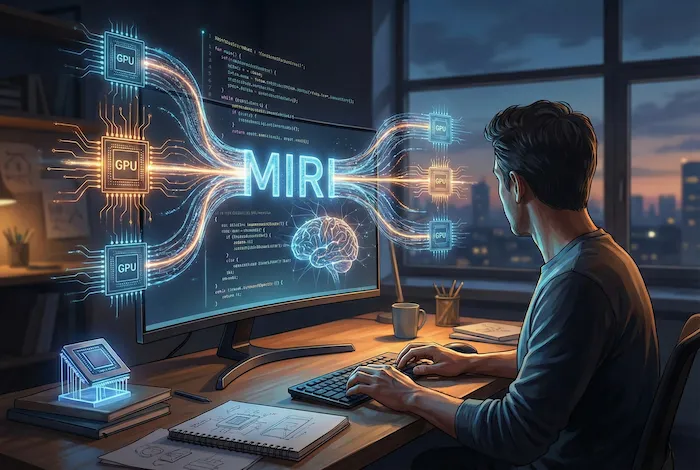 Why I’m Building a GPU-First Programming Language in 2026 Miri → 005
  Platform Engineering Trends 2026: What Actually Changed Leadership → 006
  Balancing Collaboration and Direction in Engineering Leadership Leadership →
 also on the autoscout24 tech blog: AI teammates for Scrum and FinOps ↗ Three techniques to cut token consumption ↗
all posts ↗